
Among the organized chaos of medical professionals in Birmingham, a young man named James Stokes carries himself with the measured poise of someone who has found his place. His oxford shoes whisper against the floor as he exchanges pleasantries with colleagues—some by name, others with the comfortable currency of a "hello there."
James wears his NHS lanyard not merely as institutional identification but as a declaration of acceptance. It sits against a pressed shirt that offers no clue of the challenging road that brought him here.
What sets apart James from many of his colleagues is not immediately apparent. His presence reveals nothing of the fact that he was among the first recruits of the NHS Universal Family Programme—an effort created purposefully for young people who have spent time in care.
"The Programme embraced me when I needed it most," James explains, his voice controlled but tinged with emotion. His statement encapsulates the heart of a programme that seeks to revolutionize how the enormous healthcare system views care leavers—those vulnerable young people aged 16-25 who have emerged from the care system.
The figures tell a troubling story. Care leavers frequently encounter greater psychological challenges, money troubles, shelter insecurities, and reduced scholarly attainment compared to their contemporaries. Beneath these impersonal figures are human stories of young people who have traversed a system that, despite genuine attempts, regularly misses the mark in providing the stable base that shapes most young lives.
The NHS Universal Family Programme, established in January 2023 following NHS England's promise to the Care Leaver Covenant, signifies a substantial transformation in systemic approach. At its heart, it recognizes that the entire state and civil society should function as a "collective parent" for those who have missed out on the constancy of a conventional home.
Ten pathfinder integrated care boards across England have blazed the trail, establishing systems that reconceptualize how the NHS—one of Europe's largest employers—can extend opportunities to care leavers.
The Programme is thorough in its strategy, beginning with comprehensive audits of existing practices, forming oversight mechanisms, and obtaining senior buy-in. It recognizes that successful integration requires more than good intentions—it demands concrete steps.
In NHS Birmingham and Solihull ICB, where James found his footing, they've established a reliable information exchange with representatives who can offer help and direction on wellbeing, HR matters, recruitment, and EDI initiatives.
The conventional NHS recruitment process—formal and possibly overwhelming—has been thoughtfully adapted. Job advertisements now highlight attitudinal traits rather than extensive qualifications. Applications have been reimagined to accommodate the unique challenges care leavers might face—from lacking professional references to having limited internet access.
Possibly most crucially, the Programme acknowledges that starting a job can create specific difficulties for care leavers who may be managing independent living without the safety net of parental assistance. Concerns like transportation costs, identification documents, and financial services—considered standard by many—can become substantial hurdles.
The brilliance of the Programme lies in its attention to detail—from clarifying salary details to helping with commuting costs until that critical first salary payment. Even seemingly minor aspects like break times and professional behavior are carefully explained.
For James, whose career trajectory has "revolutionized" his life, the Programme offered more than work. It provided him a sense of belonging—that elusive quality that develops when someone is appreciated not despite their past but because their distinct perspective enhances the institution.
"Working for the NHS isn't just about doctors and nurses," James notes, his eyes reflecting the subtle satisfaction of someone who has found his place. "It's about a collective of different jobs and roles, a family of people who truly matter."
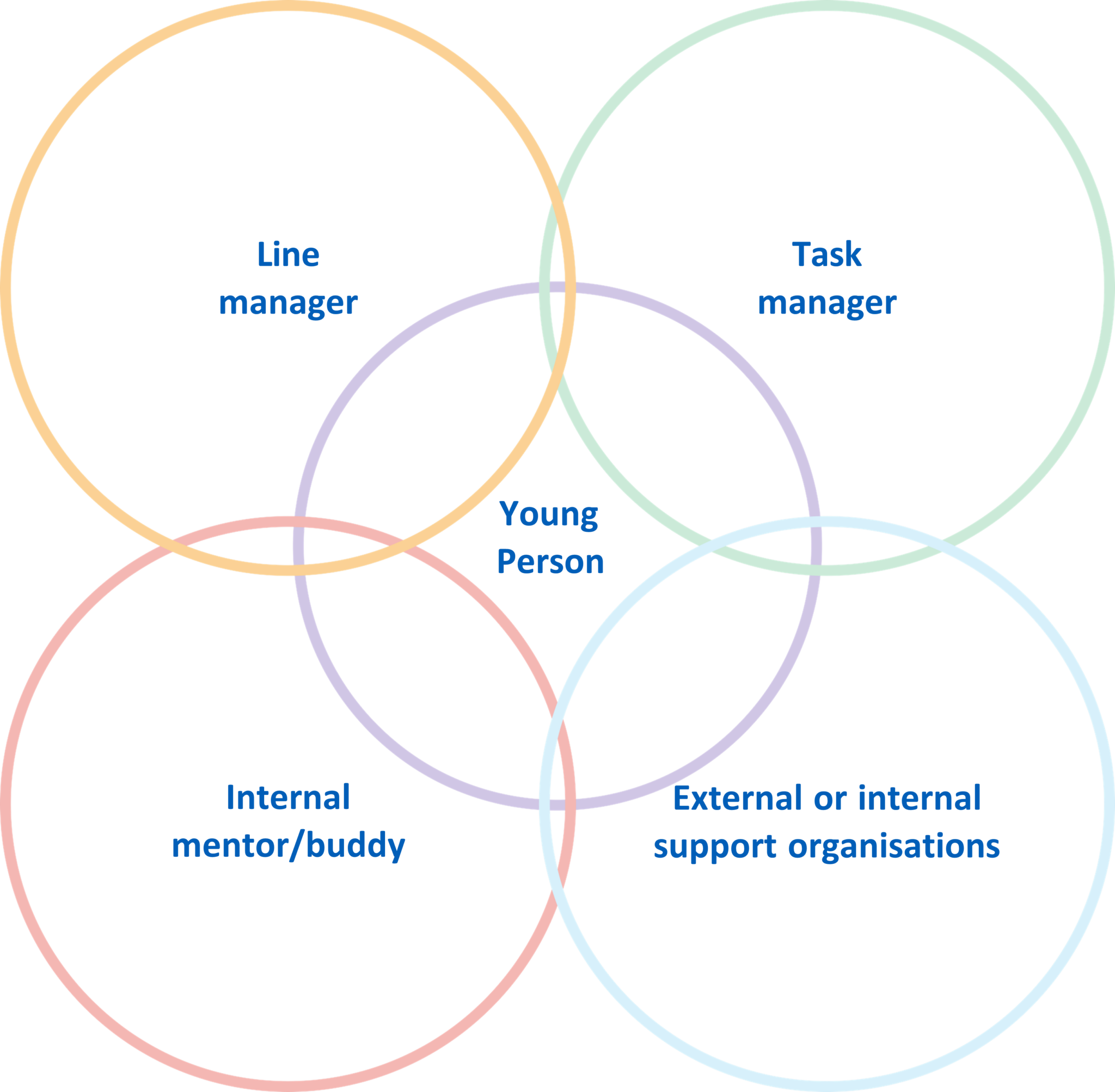
The NHS Universal Family Programme represents more than an employment initiative. It stands as a bold declaration that institutions can adapt to embrace those who have experienced life differently. In doing so, they not only transform individual lives but enhance their operations through the unique perspectives that care leavers contribute.
As James moves through the hospital, his presence silently testifies that with the right assistance, care leavers can flourish in environments once deemed unattainable. The support that the NHS has offered through this Programme represents not charity but acknowledgment of overlooked talent and the essential fact that each individual warrants a support system that believes in them.